 In a New Year’s Eve Eve opinion, the Texas Supreme Court denied a petition for writ of mandamus filed by two wind energy operators seeking to compel the Comptroller to process their Chapter 313 petitions past the December 31 expiration date of the statute.
As we reported a couple of weeks ago, In re Stetson Renewables Holdings, LLC and Ogallala Renewable Project, LLC(No. 22-1119) arose from the incredible surge of Chapter 313 applications in the wake of the Legislature’s failure to extend the incentive past December 31, 2022. Although the Comptroller processed hundreds of them, hundreds more remained on the table when the law, as Justice Evan Young in his opinion terms it, “turn[ed] into a pumpkin on New Year’s Eve.”
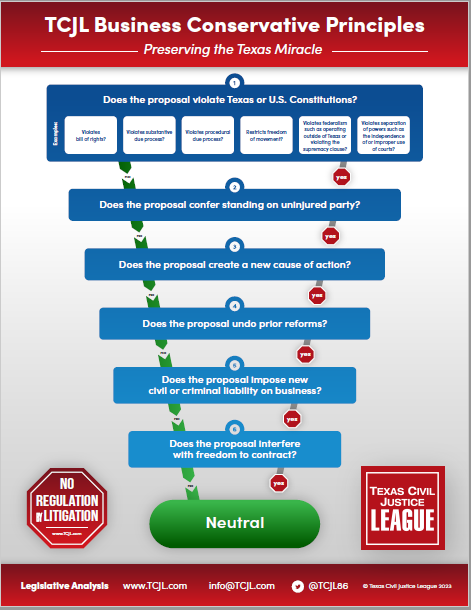
As we opined in our previous report, we thought it highly unlikely that SCOTX would cross the separation of powers boundary to intervene in a statewide elected official’s office operations in the manner proposed by Relators. We further could not imagine the Court extending the expiration date of the statute, plainly a legislative, not a judicial, prerogative. This is exactly what the Court declined to do. Nevertheless, Justice Young’s opinion is illuminating for its restatement of the appropriate role of the courts when adjudicating executive and legislative policymaking. “Fashioning an extratextual judicial remedy against the executive branch—particularly in a delicate field like tax policy—creates a serious risk that the courts will intrude into the prerogatives of both other branches,” Justice Young warns. “[D]evising ways to judicially ‘enforce’ a [ministerial] duty can risk supplanting the legislature because it is primarily for the legislature to determine how far it is worth pressing to achieve compliance with its own statutory directives” (citations omitted). In response to Relators’ argument that courts have used mandamus to enforce election law violations and should do so here, the Court made it a point to say that tax incentives and a citizen’s right to vote are not quite the same thing. Chapter 313 hardly implicated any “fundamental rights.”
This is a strongly conservative opinion in all the right senses of the word. It champions judicial restraint and a clear separation of functions and powers between the three branches. It cautions against courts either arrogating to themselves policymaking functions or becoming bogged down in disputes that should be resolved in the legislative arena. And it calls upon judges to fix their attention only on those matters that come under judicial authority and to make their decisions impartially and without fear or favor. SCOTX continues to show us that our form of government can and does work as long as everybody stays in their lanes.