Comptroller Glenn Hegar’s biennial revenue estimate (BRE) for the 2024-25 fiscal biennium reveals something that no one probably ever thought possible: the state’s Economic Stabilization Fund (the so-called “Rainy Day Fund”) will hit its constitutional limit during the next biennium. That limit equals 10 of the amount of general revenue deposited in the ESF during the preceding biennium. In FY 23, the Comptroller estimates that he will transfer $5.71 billion in unencumbered general revenue to the ESF, with another $6.87 billion in severance taxes the Comptroller forecasts will be available for transfer in 2024-25. But because the constitution will cap the ESF at $26.38 billion in the next biennium, about $700 million or so will remain in general revenue. The ending balances in the ESF will be $13.72 billion for FY 23, $23.52 billion for FY 24, and $26.38 billion for FY 25, if the Legislature doesn’t spend any of it in the meantime.
In addition to that piggy bank, the current biennium will end with a whopping $32.7 billion left on the table. No legislature since 2011 has had more than $11 billion to carry over (2021), though each of the last seven biennia have ended up in the black. Any way you look at it, the total amount of revenue available to budget writers this session far exceeds anything in Texas history up to this point.
While having too much money to spend is almost as difficult a legislative problem as having too little, the sheer size of the surplus puts a number of expensive policy propositions on the agenda, including substantial property tax relief, border security, investments in mental health services, and teacher pay raises, to name a few. Let the games begin.
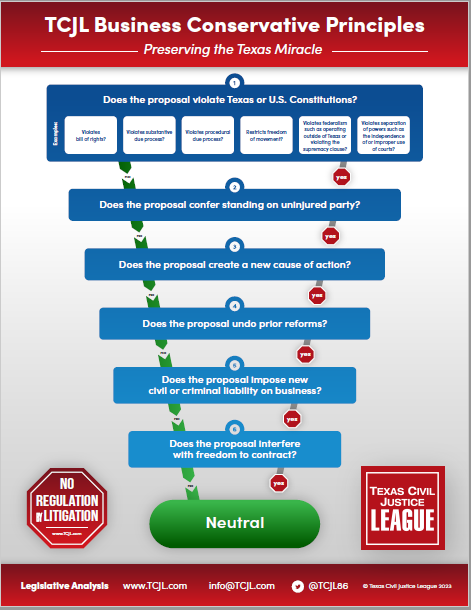
Regardless of what the Legislature does with the money (if anything), it should not be forgotten that nearly every penny of it (save the amount attributable to the latest spike in inflation) has been generated by dynamic economic growth since the last recession in 2008, the COVID emergency notwithstanding. The Legislature’s pro-growth policies during that period should be recognized for their massive contribution to the surplus. At the same time, however, if Texas wishes to continue to move forward to even greater levels of prosperity, the Legislature must stay the course and sustain optimal conditions for economic development. That means ensuring that any property tax relief afforded this session be equally distributed between individuals and businesses. That means fashioning a new economic development incentive to keep Texas in the international and national competition for major capital investments. That means curtailing or avoiding new and expanded causes of action exposing businesses to heightened liability. That means avoiding overregulation that interferes with the ability of businesses to run their operations as they see fit, not as the government tells them to. And that means continuing to fund at adequate levels the critical infrastructure that makes everything else run: transportation, public and higher education, public safety, health and human services, and the judiciary. In other words, conservative fiscal policy works, so why change it?